Metal roofing stands out as one of the most resilient and enduring roofing solutions currently available in Australia. Its remarkable attributes, including exceptional strength, long-lasting durability, and significant energy efficiency, have earned it widespread acclaim. Nevertheless, a frequently asked question from homeowners is — do metal roofs attract lightning strikes?
With an increasing number of homeowners choosing Starlink dishes and various aerial devices, concerns surrounding lightning strikes have surged. This article aims to explore the facts surrounding this issue, revealing why metal roofing, along with antennas and satellite systems, is often perceived as safer than many believe. We will dissect the science and provide clarity on this common misconception.
Understanding the Relationship Between Metal Roofs and Lightning Strikes
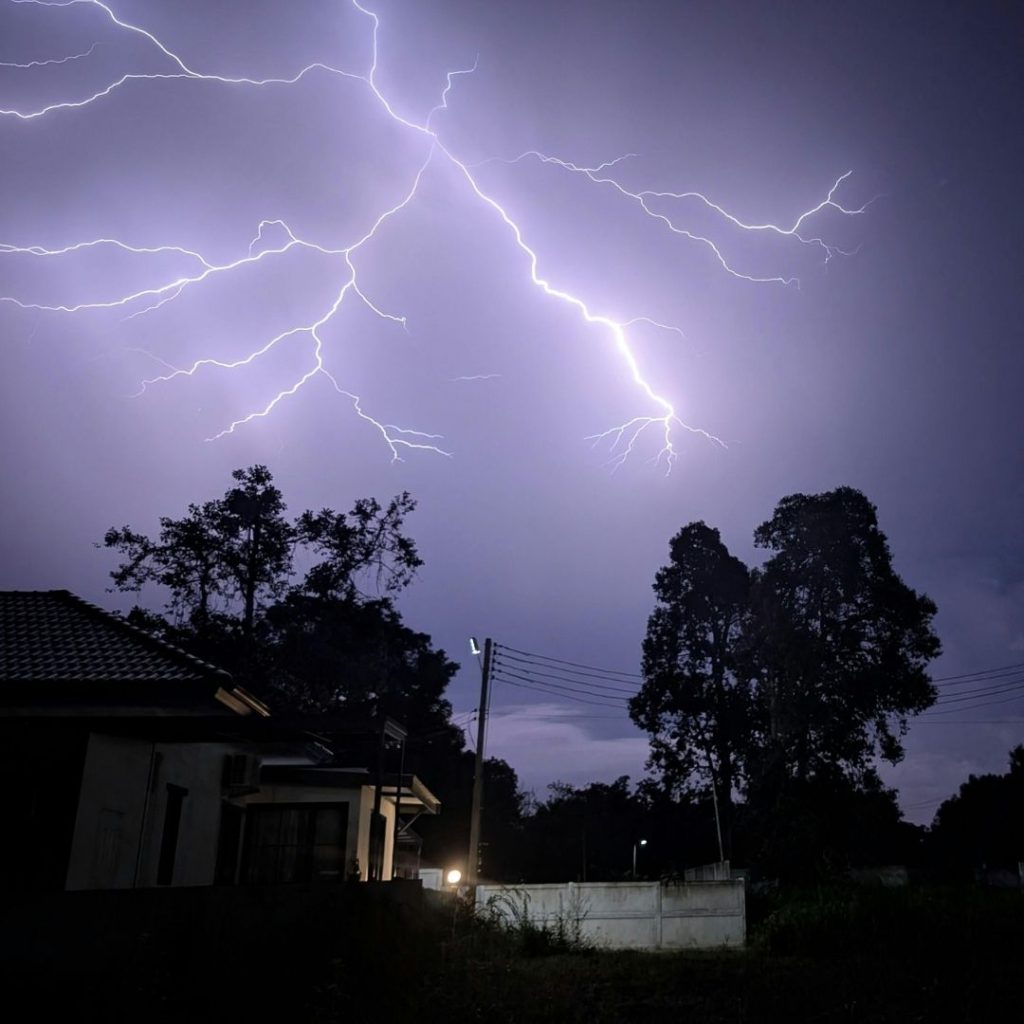
Contrary to the prevalent belief that metal roofs attract lightning, the reality is rather different. A metal roof does not attract lightning. In fact, lightning is drawn to the highest point within a given landscape and is not swayed by the material of the roofing. Lightning typically travels along the path of least resistance to reach the ground, which is why it often targets taller structures such as trees, utility poles, or antennas instead of the roofing materials themselves.
If a home with a metal roof experiences a lightning strike, there is a comforting fact to consider: metal roofing is adept at dispersing electrical energy safely. Unlike other roofing materials like tile or timber, metal is not easily ignited or combustible. If lightning were to strike, the electrical charge rapidly disperses across the roof's surface and harmlessly transfers into the ground, especially when the building's grounding system has been appropriately installed. This makes metal roofing an excellent choice for safety.
In essence, choosing a Colorbond® roof does not increase the likelihood of your home being struck by lightning. However, if such an event were to occur, having a metal roof is one of the safest options available, granting homeowners significant peace of mind regarding their safety and that of their property.
Assessing the Risk of Lightning Strikes with Aerials and Starlink Dishes
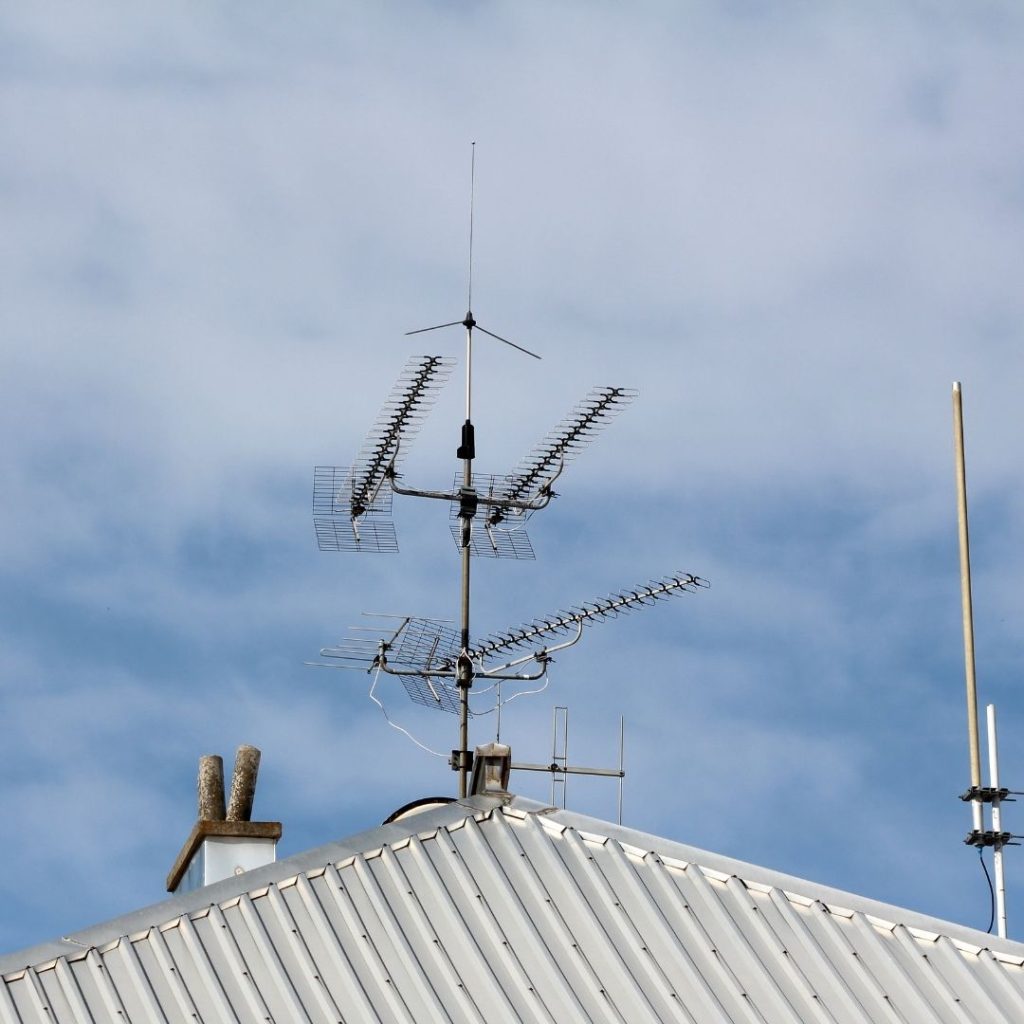
Similar to metal roofs, aerials, antennas, and Starlink dishes do not inherently attract lightning merely by their presence. Lightning is typically drawn to height and isolation rather than the metallic composition of these devices. Therefore, it’s essential to understand that the risk associated with lightning strikes is contingent more on the height and position of the device than on the materials from which it is constructed.
If an aerial or dish happens to be the highest point on your property, it could become the likely target for a lightning strike. This heightened risk stems from its elevated position rather than its metal components. It is crucial to recognize that the primary determinant of lightning strike risk is location rather than the specific materials used in the construction of the devices.
To enhance safety and mitigate risks, consider implementing the following best practices:
- Ensure that the dish or antenna is professionally installed and grounded in accordance with the AS/NZS 1768 lightning protection standards to provide maximum safety.
- Bonding and grounding of the system is essential, as this allows any electrical surge to travel safely to the earth, thereby minimizing the risk of damage to your equipment or home.
- Avoid using isolated, ungrounded poles that rise significantly above the roofline, as these structures pose a greater risk of attracting lightning strikes.
When installed correctly, a Starlink dish or roof-mounted aerial on a Colorbond® roof remains entirely safe, even during severe electrical storms, ensuring homeowners can maintain connectivity and peace of mind.
Discovering the Comprehensive Safety Benefits of Metal Roofing Materials
Beyond the critical aspect of lightning safety, metal roofing boasts a plethora of inherent protective characteristics that elevate it as a top choice for homeowners:
- Fire Resistance: Metal is fundamentally non-combustible, making it an ideal selection for regions prone to bushfires, offering homeowners enhanced safety.
- Storm Durability: Metal roofs are engineered to endure hail, powerful winds, and heavy rainfall far more effectively than many conventional roofing materials, ensuring longevity and resilience.
- Corrosion Protection: Colorbond® coatings provide exceptional rust resistance, even in coastal areas where salty air can pose significant challenges.
- Energy Efficiency: Reflective coatings on metal roofs help to reduce heat absorption during the hot summer months, leading to decreased energy bills and a more comfortable living environment.
- Structural Lightness: Metal roofing is significantly lighter than traditional tile, reducing stress on the roof frame and enhancing overall structural integrity.
Essential Maintenance Steps for Ensuring Roof Safety and Efficiency
To guarantee complete reassurance regarding the safety of your roof and any mounted equipment, conducting regular inspections is critical:
- After storm events, carefully inspect flashings, fixings, and sealants to confirm that they remain intact and functional, ensuring they continue to provide protection.
- Keep gutters and valleys clear of debris to prevent overflow and potential water damage to your property, which could lead to costly repairs.
- Verify that any antenna installations are properly grounded to minimize risk and enhance overall safety.
AWS Roofing offers expert inspections and roof replacements across the Central Coast, Newcastle, and Hunter regions, ensuring that every roof performs safely and efficiently while providing maximum protection for your home.
Key Insights on Metal Roof Safety and Performance
A metal roof does not attract lightning; rather, it plays a significant role in protecting your home from lightning strikes. When combined with professional installation and proper grounding of any roof-mounted equipment, a Colorbond® metal roof emerges as one of the safest, most reliable, and longest-lasting roofing solutions available in Australia.
If you require professional assistance for metal roofing installation or replacement, reach out to AWS Roofing, your trusted specialists in robust and compliant roofing systems across NSW.
Do Metal Roofs Attract Lightning? (And Aerials or Starlink Dishes)
The Article: Do Metal Roofs Attract Lightning? A Look at Aerials and Starlink first appeared on https://writebuff.com
The Article Metal Roofs and Lightning: Insights on Aerials and Starlink Was Found On https://limitsofstrategy.com
No responses yet