Unlock the Secrets to Preparing Authentic Borscht
Discover the Crucial Vegetables That Define Borscht
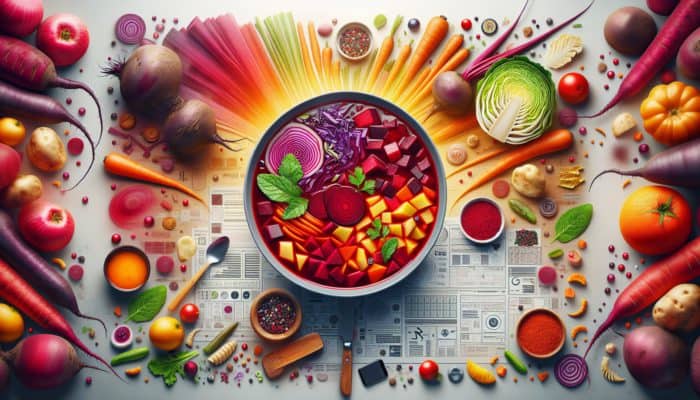
The art of preparing an authentic Russian borscht begins with understanding the essential vegetables that give this dish its unique character. The core ingredients include beets, cabbage, and carrots, each contributing distinct flavors and textures that elevate the soup's complexity and depth. Beets bring a naturally sweet earthiness and a vibrant crimson hue, enhancing both the taste and visual appeal of the dish. Cabbage provides a satisfying crunch and mild taste, perfectly balancing the richness of the soup, while carrots introduce a natural sweetness and bright color, creating a harmonious and delightful flavor profile. When selecting these ingredients, opt for fresh, organic produce to ensure maximum flavor and health benefits.
Understanding how to prepare these vegetables is crucial for achieving a delicious borscht. Start with beets, which should be either roasted or boiled until tender, then peeled and finely grated or diced to maximize their sweet flavor. Cabbage must be shredded finely, allowing it to wilt beautifully during cooking while retaining a pleasant crunch. Carrots should be peeled and either grated or thinly sliced, ensuring they cook evenly without losing their texture. Each of these preparation methods significantly enhances the final dish, making your borscht not only flavorful but also visually appealing.
- Beets: Roast or boil, peel, and grate or dice.
- Cabbage: Finely shred for even cooking.
- Carrots: Peel and grate or slice thinly.
- onions: Dice finely to release natural sweetness.
Which Protein Options Will Take Your Borscht to the Next Level?
Selecting the right protein for your borscht can significantly enhance its flavor and texture. Traditional recipes frequently call for beef or pork, both of which impart rich, hearty flavors and a satisfying texture to the soup. Searing the meat before adding it to the pot intensifies the broth's flavor, creating a robust and satisfying base for the soup. The type of meat chosen not only affects the taste but also plays a critical role in the nutritional profile of borscht; red meat, for instance, provides essential iron and protein, while pork contributes a layer of indulgent richness.
If you prefer a vegetarian or vegan option, incorporating beans is an excellent way to add protein. Varieties like kidney beans or chickpeas can be included, ensuring the soup remains hearty without compromising its essence. This adaptability allows you to cater to various dietary preferences while preserving the traditional flavors that make borscht so beloved. Ultimately, the choice of protein directly impacts the soup's consistency and nutritional value, so select the option that aligns best with your dietary needs and taste preferences.
How to Intensify Flavors for a More Delicious Borscht?
To enhance the flavor of your borscht, it's vital to integrate a variety of flavor enhancers. Fresh herbs, particularly dill, introduce a bright, aromatic quality that beautifully complements the earthiness of the beets and the natural sweetness of the other vegetables. You can add dill during the cooking process or use it as a fresh garnish just before serving for maximum impact. Additionally, incorporating spices like bay leaves and peppercorns enriches the broth with depth and complexity, enhancing the overall dining experience.
Furthermore, using vinegar or lemon juice is crucial for achieving that signature tanginess that characterizes authentic borscht. This acidity not only brightens the flavors but also balances the sweetness of the beets. A splash of vinegar added towards the end of cooking can enhance the soup's overall profile significantly, resulting in a well-rounded and satisfying dish. Thoughtfully selecting and timing these flavor enhancers can transform a simple borscht into a mouth-watering experience that resonates with both tradition and creativity.
Master the Techniques for Crafting Delicious Borscht

How to Prepare Your Vegetables for Maximum Flavor?
Proper vegetable preparation is essential for crafting a delightful borscht. Each vegetable demands specific techniques to ensure the best texture and flavor during cooking. Start with beets by scrubbing them thoroughly, then boiling or roasting until they reach a tender state. Once cooled, peel off the skin and chop or grate them to your desired size. This meticulous approach allows the natural sweetness of the beets to shine.
Next, cabbage should be trimmed and finely shredded to ensure even cooking and seamless integration into the soup. Utilize a sharp knife or mandoline for precise cutting. Carrots must be peeled and either grated or thinly sliced to ensure they soften without losing structural integrity during cooking. Lastly, onions should be diced finely to unlock their natural sweetness, which adds a rich base flavor to the borscht.
- Beets: Scrub, boil or roast, peel, and chop or grate.
- Cabbage: Trim and finely shred.
- Carrots: Peel and grate or slice thinly.
- Onions: Dice finely to enhance sweetness.
How to Build a Flavorful Base for Your Borscht?
The foundation of a delicious borscht lies in creating a robust base. Start by sautéing finely diced onions and minced garlic in a splash of oil until they become translucent and aromatic. This fundamental step develops the soup's underlying flavor. After softening the aromatics, add the chopped beets, along with other root vegetables such as carrots and even potatoes, if desired. This combination forms a vibrant and flavorful base that sets the stage for the entire dish.
As the vegetables begin to soften, it's time to introduce seasonings, including bay leaves and black pepper. Allow the mixture to sauté for several minutes, stirring occasionally to prevent sticking. This technique intensifies the flavors, resulting in a rich, aromatic base that enhances the overall soup experience. Once the vegetables are adequately prepared, add water or broth to cover them, bringing the mixture to a gentle simmer for the remainder of the cooking process.
What Is the Best Method to Cook Meat for Borscht?

If you choose to include meat in your borscht, the optimal approach is to brown it first. Cut the meat into bite-sized pieces and season with salt and pepper. In a heavy-bottomed pot, heat a small amount of oil over medium-high heat, then add the meat and sear it without overcrowding the pan. This browning process develops a depth of flavor that infuses the broth as it cooks.
Once the meat is browned, remove it from the pot and set it aside. In the same pot, sauté your aromatics and vegetables as previously discussed. After adding the vegetables, return the meat to the pot and let it meld with the flavors. Slow cooking is ideal, allowing the meat to become tender and integrate seamlessly with the other ingredients. The result is a borscht that is hearty, satisfying, and filled with robust flavors.
How to Prepare a Rich Broth for Borscht?
Creating a clear, flavorful broth is essential for authentic borscht. Begin with a base of cold water or stock, adding your chosen meat, bones, or even a variety of vegetables for a vegetarian approach. Bring the mixture to a gentle simmer, skimming off any impurities that rise to the surface. This step is crucial for achieving a clear, cloud-free broth.
For maximum flavor and nutrition, let the broth simmer for several hours. If using bones, the collagen will dissolve, enriching the broth's flavor and texture. If opting for vegetables, simmer them long enough for their flavors to infuse the liquid without turning mushy. Strain the broth before adding it to the borscht, ensuring a smooth, clear soup base that provides a rich backdrop for the vibrant flavors of the vegetables and seasonings.
How to Add Fresh Herbs and Spices for Maximum Flavor?
Incorporating fresh herbs and spices at the right moments can significantly elevate your borscht. Popular choices include dill, parsley, and thyme, all of which add layers of depth and freshness to the soup. It's best to introduce more robust herbs, such as bay leaves and thyme, early in the cooking process, allowing their flavors to fully infuse the broth.
In contrast, delicate herbs like dill should be added towards the end of cooking to preserve their aromatic qualities. Stirring in a handful of fresh dill just before serving can brighten the entire dish. Additionally, spices like freshly cracked black pepper and a pinch of sugar can help balance flavors, especially if the beets are particularly sweet. Understanding how and when to incorporate these flavor enhancements ensures your borscht remains vibrant, aromatic, and utterly delicious.
Expert Insights for Cooking Authentic Russian Borscht
Discover Diverse Borscht Variations Around the World
Borscht is a versatile dish featuring countless adaptations that showcase the creativity of chefs and cultures worldwide. For instance, Ukrainian borscht often includes potatoes and is served with a generous dollop of sour cream and a sprinkle of fresh herbs, adding a comforting twist to the classic recipe. In contrast, Russian borscht tends to be heartier, incorporating more meat and typically served alongside rustic rye bread, emphasizing its traditional roots.
Another intriguing example is the Polish variant, known for its unique blend of spices like allspice and caraway seeds, which provide a distinctive flavor profile that sets it apart from other versions. Additionally, modern interpretations may incorporate roasted garlic or a splash of wine for added depth. These variations inspire new culinary experiences and showcase the adaptability of this beloved dish, encouraging cooks to explore and create their signature versions of borscht.
- Ukrainian Borscht: Hearty with potatoes, served with sour cream.
- Polish Borscht: Flavored with allspice and caraway seeds.
- Modern Variants: Incorporate roasted garlic or wine.
Follow Proven Steps to Craft the Perfect Borscht
Achieving the ideal borscht requires meticulous attention to detail and a systematic approach. Start with high-quality, fresh ingredients, as the foundation of your soup relies heavily on their inherent flavors. Begin by thoroughly preparing your vegetables, ensuring each is cut to the appropriate size for even cooking.
Next, create your flavor base by sautéing the onions and garlic until fragrant. If including meat, brown it to develop a richer flavor. Then, incorporate your beets, followed by the remaining vegetables and seasonings. Gradually add your broth, stirring until the mixture reaches a gentle simmer. Allow the soup to simmer for at least 30-45 minutes; this step is crucial for melding the flavors beautifully. Finally, taste and adjust seasonings as needed before serving to ensure a vibrant, delicious dish that truly delights.
Avoid Common Pitfalls When Preparing Borscht
While borscht may seem straightforward, several common mistakes can hinder your ability to achieve the ideal soup. One prevalent issue is overcooking the vegetables, leading to a mushy texture and a loss of vibrant color. To maintain the integrity of the vegetables, closely monitor their cooking time and add them in stages according to their respective cooking durations.
Another frequent error is under-seasoning, which can result in a bland final product. Borscht should be well-seasoned from the outset, allowing for flavor adjustments before serving. Additionally, insufficient simmering time can prevent the flavors from fully developing. Taking the time to simmer the soup properly fosters a rich, complex flavor profile that defines a truly exceptional borscht.
Deepen Your Understanding of the Borscht Cooking Process
Master the Art of Flavor Layering in Borscht
Layering flavors is a crucial technique in creating a borscht that genuinely stands out. Begin by sautéing the aromatics, such as onions and garlic, which form the flavor foundation of the dish. Once fragrant and tender, add the beets and other root vegetables to create a deep-flavored base. Building complexity by introducing ingredients at staggered intervals ensures each component has the opportunity to shine.
After the initial vegetables have softened, return the browned meat to the pot or add your beans for a vegetarian version. Gradually pour in your pre-prepared broth, allowing it to fully cover the vegetables. By adding ingredients in stages, you create a harmonious blend of flavors in which each layer contributes to the overall profile of the soup, resulting in a borscht that is well-balanced and satisfying.
Understand the Importance of Simmering Time
The simmering time plays a pivotal role in achieving rich, complex flavors in your borscht. The longer you simmer the soup, the more the individual flavors meld, enriching the broth and enhancing the overall taste. Ideally, simmer for 30 to 45 minutes, though some traditional recipes suggest simmering for even longer to achieve an extra depth of flavor.
During this simmering phase, the ingredients release their natural oils, juices, and nutrients into the broth, resulting in a wholesome, flavor-packed end product. Regularly check the pot to ensure it doesn’t boil too vigorously, as this can lead to overcooked vegetables. Maintaining a low heat allows for a gentle simmer, creating a beautifully layered borscht that is both hearty and comforting.
What Happens If You Overcook Borscht?
Overcooking borscht can lead to several unfortunate outcomes, primarily affecting both taste and texture. One of the most significant issues is the degradation of vegetables, which can become mushy and lose their vibrant color. The visual appeal of borscht lies in its bright hues; overcooked vegetables can dull the soup, resulting in a less appetizing presentation.
Moreover, prolonged cooking can cause flavors to become muddled or overly concentrated, leading to an unbalanced taste that detracts from the dish's intended freshness. To avoid these pitfalls, it is vital to closely monitor cooking times to achieve a balance between tenderness and structural integrity. This careful attention ensures that your borscht remains a pleasing and enjoyable culinary creation.
Best Practices and Suggestions for Serving Borscht
Traditional Accompaniments That Perfectly Complement Borscht
Serving borscht is as much about the accompanying elements as it is about the soup itself. Traditional pairings include a generous dollop of sour cream, which adds a creamy texture and balances the soup's acidity beautifully. Fresh dill sprinkled on top enhances visual appeal and imparts a burst of flavor. Rye bread, recognized for its rustic texture, serves as an ideal companion, perfect for dipping and soaking up the rich broth.
Additionally, consider serving borscht alongside a simple salad, such as beetroot or cucumber-dill, to provide a refreshing contrast to the warm soup. These accompaniments not only complement the flavors of borscht but also create a well-rounded meal, showcasing the dish's cultural significance across various regions.
How Can You Present Borscht Attractively for Your Guests?
The presentation plays a crucial role in enhancing the dining experience, especially for a dish as visually striking as borscht. To serve the soup attractively, consider using a deep bowl that allows the vibrant red color to take center stage. Ladle the borscht into the bowl, ensuring a balanced ratio of vegetables to broth for an appealing presentation.
Garnishing can elevate the presentation further. A swirl of sour cream or a sprinkle of fresh herbs like dill or parsley not only adds color but also entices the palate. For added flair, consider including a slice of lemon or a sprinkle of smoked paprika on top, providing a visual contrast that invites guests to dig in. Thoughtful presentation transforms a simple bowl of borscht into an inviting culinary experience that excites the senses.
Essential Tips for Storing Leftover Borscht
Properly storing leftover borscht ensures you can enjoy it later without sacrificing flavor or quality. Once the borscht has cooled, transfer it to airtight containers. When refrigerated, borscht can last for 3-5 days. When reheating, do so gently on the stove over low heat, adding a splash of water or broth if necessary to restore the soup's consistency and prevent it from becoming too thick.
For longer storage, consider freezing the borscht in portioned containers. This method allows for quick meals on busy days. When reheating frozen borscht, thaw it in the fridge overnight before warming it on the stove. This approach preserves the flavors and textures, ensuring that your borscht remains as delightful and satisfying as when it was first prepared.
Uncover the Nutritional Benefits of Borscht
Explore the Health Benefits of Borscht Ingredients
The ingredients in borscht offer numerous health benefits, making this dish a nutritious choice for any meal. Beets are particularly noteworthy for their high levels of essential nutrients, such as folate, manganese, and potassium. These nutrients support cardiovascular health, promote healthy digestion, and contribute to overall well-being.
Cabbage, rich in vitamins K and C, possesses anti-inflammatory properties that support immune function. Carrots provide a source of beta-carotene, which is beneficial for eye health. When combined, these ingredients create a meal that is not only delicious but also supportive of various aspects of health, making borscht a wholesome addition to any diet.
What Dietary Considerations Should You Keep in Mind for Borscht?
Borscht is highly adaptable, making it suitable for a wide variety of dietary needs. For those following vegetarian or vegan diets, simply eliminate meat and opt for vegetable stock to maintain the soup's rich flavor. Additionally, replacing meat with legumes like beans or lentils can keep the dish hearty and satisfying while providing ample protein.
For individuals monitoring their carbohydrate intake, consider reducing the quantity of starchy vegetables like potatoes or substituting them with lower-carb options such as zucchini. The flexibility of borscht allows for tailoring in numerous ways, accommodating diverse dietary requirements while remaining delicious and fulfilling.
Caloric Content and Macronutrient Breakdown of Borscht Explained
Understanding the caloric content and macronutrient breakdown of borscht can help you incorporate this dish into your dietary plan effectively. A typical serving of borscht contains approximately 150-250 calories, depending on the ingredients used and whether meat is included. Generally, the soup is low in fat, especially if prepared without heavy cream or excessive oil.
Carbohydrates primarily come from beets and other vegetables, providing essential nutrients and dietary fiber. If meat or beans are included, the protein content will significantly increase, making borscht a balanced meal option. This combination of nutrients supports a well-rounded diet, contributing to overall health and wellness.
How Does Borscht Contribute to a Balanced Diet?
The blend of vegetables in borscht, combined with optional meat or beans, makes it a fantastic component of a balanced diet. The diverse array of ingredients ensures a wide range of vitamins and minerals, from vitamin C in cabbage to iron in meat. This variety supports immune function, aids digestion, and contributes to overall health.
Moreover, the high fiber content from the vegetables promotes satiety, making borscht an excellent choice for those looking to maintain a healthy weight. Incorporating borscht into your meal rotation can help you achieve your dietary goals while enjoying a comforting, nourishing dish with cultural significance across many regions.
Research-Backed Benefits of Cooking Classic Russian Borscht
Investigate Real-World Examples of Borscht's Health Advantages
Numerous studies highlight the health benefits of the key ingredients found in borscht, particularly beets. Research indicates that the nitrates present in beets can improve blood flow and lower blood pressure, supporting cardiovascular health. Many athletes incorporate beet juice into their diets for its performance-enhancing properties.
Furthermore, the anti-inflammatory effects of various vegetables in borscht contribute to overall health. For example, cabbage is known for its potential to reduce inflammation, while carrots offer antioxidant properties that combat oxidative stress. Real-world examples from health-conscious communities showcase borscht as a staple dish, celebrated for nourishing the body and providing a comforting meal.
Actionable Steps for Maximizing Health Benefits of Borscht
To maximize the health benefits of borscht, consider choosing fresh, organic ingredients that retain their nutritional value. When preparing the soup, aim to use minimal processing and cooking methods that preserve the integrity of the vegetables. For instance, steaming or lightly sautéing vegetables before adding them to the broth can enhance their nutritional content.
Additionally, consider incorporating a variety of seasonal vegetables into your borscht to broaden its nutrient profile. Adjusting your recipe to include herbs and spices like garlic, ginger, or turmeric can further enhance the soup's health benefits, providing both flavor and nutritional enhancements that fortify the dish.
Expert Analysis on the Nutritional Value of Borscht
Nutritionists agree that borscht is a valuable addition to a balanced diet due to its diverse ingredient base. The combination of vegetables and optional protein creates a nutrient-dense meal that caters to various dietary needs. Borscht is particularly rich in vitamins A, C, and K, along with essential minerals such as potassium and magnesium.
Moreover, the fiber from the vegetables aids digestion and promotes feelings of fullness, making it an ideal choice for individuals aiming to maintain a healthy weight. The adaptability of borscht ensures it can be tailored to various dietary frameworks, making it a satisfying and healthful dish for generations to come.
Exploring Variations and Adaptations of Borscht
Swapping Ingredients for Seasonal Borscht Variations
One of the joys of cooking borscht is the opportunity to adapt the recipe to include seasonal produce. Depending on the time of year, you can swap in fresh, abundant ingredients to enhance the soup's flavor and nutrition. For example, in the spring, consider adding fresh greens like spinach or Swiss chard, which can be wilted into the soup just before serving.
During the summer months, ripe tomatoes can be integrated for a sweeter flavor profile, while in autumn, root vegetables such as parsnips or sweet potatoes might be added. This flexibility not only allows the dish to celebrate the seasons but also ensures that your borscht remains vibrant, fresh, and exciting throughout the year.
How Can You Adapt Borscht to Be Vegan-Friendly?
Transforming traditional borscht into a vegan-friendly dish is simple and satisfying. Start by omitting meat and focusing on hearty vegetables and legumes for added protein. Consider incorporating beans like chickpeas or lentils, which contribute both texture and richness to the soup.
Utilizing vegetable stock in place of meat-based broth maintains depth of flavor while keeping the dish plant-based. You can also enhance the soup's hearty nature by adding mushrooms for an umami boost. By thoughtfully substituting ingredients, you can create a vegan borscht that remains true to its robust and comforting roots.
Creative Twists to Refresh the Classic Borscht Recipe
While traditional borscht is beloved, adding creative twists can introduce exciting new flavors. For instance, consider adding a touch of apple for sweetness or a hint of ginger for warmth. These ingredients provide a unique contrast to the earthy tones of the beets, resulting in a delightful flavor fusion.
Another innovative twist is to incorporate a small amount of dark chocolate or cocoa powder, which can deepen the flavor profile and add complexity to the dish. Experimenting with different ingredients may lead to the discovery of new favorite versions of borscht, showcasing its versatility and inviting creativity in the kitchen.
Essential Tips and Tricks for Cooking Borscht Successfully
How to Effectively Enhance the Flavor Profile of Borscht
To enhance the flavor of your borscht, consider using stock instead of water. A well-made stock adds depth, elevating the entire dish and resulting in a more layered, richer flavor. Additionally, do not skimp on seasonings; incorporating herbs and spices at various stages of cooking can profoundly impact the outcome.
Using fresh herbs, especially dill, towards the end of cooking can significantly brighten the dish. A splash of vinegar or a squeeze of lemon juice added just before serving can also enhance the flavors, creating a delightful balance between sweet and sour. These small adjustments can make a significant difference in the overall taste of your borscht.
- Use stock instead of water for depth.
- Add herbs at various cooking stages.
- Incorporate fresh dill at the end for brightness.
- Finish with vinegar or lemon juice for balance.
What Are the Secrets to Crafting the Perfect Borscht?
Creating the perfect borscht involves mastering a few essential secrets that elevate the dish to new heights. Firstly, achieving the right balance of acidity is crucial; a splash of vinegar or lemon juice brightens the flavors and balances sweetness effectively. Secondly, consider the importance of color; aim for vibrant hues that not only appeal to the eye but also convey freshness and quality.
Lastly, cooking times matter. Ensuring that vegetables are cooked just until tender prevents them from becoming mushy, maintaining both texture and taste. By consistently applying these secrets, you can create a borscht that stands out for its flavor, texture, and visual appeal, delighting everyone at the table.
- Balance acidity with vinegar or lemon juice.
- Aim for vibrant color to indicate freshness.
- Monitor cooking times to maintain texture.
Time-Saving Techniques to Streamline Borscht Preparation
While making borscht can be a labor of love, several time-saving techniques can significantly simplify the process. Prep ingredients in advance to save time during cooking; having your vegetables chopped and ready to go makes assembly more efficient.
Utilizing a pressure cooker can drastically reduce cooking time, allowing you to create a deeply flavored borscht in a fraction of the time. Additionally, consider batch cooking and freezing portions for quick meals on busy days. These techniques not only save time but also let you enjoy homemade borscht more frequently without the hassle of extensive preparation.
FAQs About Cooking Borscht: Your Questions Answered
Can I prepare borscht in advance for convenience?
Yes, borscht can be made ahead of time and actually benefits from sitting, as flavors meld beautifully. Store it in the fridge for 3-5 days, or freeze it for longer storage.
What type of meat is best for enhancing borscht?
Beef and pork are traditional choices, but you can also use chicken or opt for a vegetarian version by omitting meat entirely.
Is borscht gluten-free and suitable for various diets?
Yes, borscht is naturally gluten-free, especially when made without any flour-thickened ingredients or served with bread.
Can I use canned beets in my borscht recipe?
While fresh beets are recommended for the best flavor, canned beets can be used in a pinch; just adjust cooking times accordingly.
What is the best way to store leftovers of borscht?
Store leftovers in airtight containers in the fridge for 3-5 days, or freeze in portions for longer storage.
How can I adjust the sweetness of my borscht recipe?
You can balance sweetness by adding a splash of vinegar or lemon juice. Adjusting the quantity of beets can also help manage sweetness levels.
Can I make borscht vegan-friendly?
Absolutely! Use vegetable stock and substitute meat with beans or mushrooms for a hearty, vegan version of the dish.
What are the nutritional benefits of including beets in borscht?
Beets are rich in essential nutrients, including folate, manganese, and potassium, which support overall health and wellness.
How long should I simmer my borscht for optimal flavor?
A simmering time of 30-45 minutes is ideal, but longer simmering can enhance flavors further if desired.
What can I serve alongside borscht for a complete meal?
Traditional accompaniments include sour cream, fresh herbs, and rye bread, which enhance the soup's flavor and provide a delightful contrast to the dish's earthy tones.
Connect with us on Facebook for more culinary inspiration!
The post How to Cook a Classic Russian Borscht: A Timeless Recipe appeared first on https://cookinggods.com
The Article Classic Russian Borscht: Timeless Cooking Guide Was Found On https://limitsofstrategy.com
No responses yet