Enhancing Efficiency Through Multi-Team Coordination in House Clearance
What Does Multi-Team Coordination Mean for House Clearance Operations?
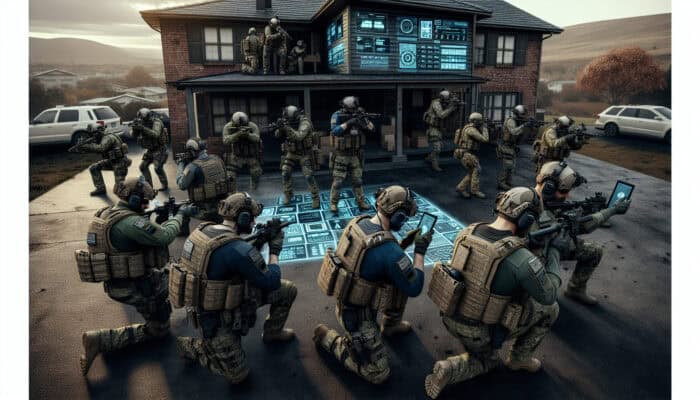
Multi-team coordination in the context of house clearance signifies a systematic and collaborative approach where diverse groups work together harmoniously to achieve a common objective, particularly in the execution of house clearance tasks. This strategy emphasizes the importance of effective communication, meticulous planning, and a precise allocation of responsibilities among team members, which collectively enhance operational efficiency. Essential components that drive successful multi-team coordination include:
- Clearly defined roles and responsibilities to ensure accountability
- Effective communication strategies tailored for seamless interactions among team members
- Regular training and safety drills to maintain a high level of preparedness
- Utilization of technology for instant updates and coordinated efforts
- Regular feedback and improvement sessions to fine-tune operational processes
- Conflict resolution strategies aimed at maintaining team harmony
- Comprehensive planning and execution to streamline all operational phases
- Safety protocols ensuring compliance with regulations and standards
By effectively implementing these elements, teams can function cohesively, reducing interruptions and maximizing productivity throughout the house clearance process.
Why is Effective Coordination Essential in House Clearance Operations?
Effective coordination in house clearance is vital as it guarantees tasks are carried out promptly and safely. When teams operate in synchrony, the likelihood of delays and safety hazards diminishes significantly. Proper coordination encourages a seamless integration of various teams, empowering them to address challenges swiftly and efficiently, which is crucial for achieving successful clearance results.
What Legal Regulations Govern House Clearance Activities in the UK?
House clearance endeavors in the UK are governed by a multitude of legal obligations, including waste disposal laws and health and safety standards. Understanding these regulations is imperative for executing successful operations, as it helps mitigate legal liabilities and enhances the overall integrity of the process. Compliance safeguards the teams involved and fortifies trust with clients and stakeholders, thereby reinforcing the credibility of the operation.
Professional Insights on Optimizing Multi-Team Coordination for House Clearance Success

How Can Teams Be Structured Effectively for House Clearance Success?
Structuring teams effectively is crucial for boosting productivity in house clearance projects. A well-defined hierarchy can facilitate smooth operations; for instance, a lead coordinator supervises the overall project, while a safety officer ensures compliance with health regulations, and a logistics manager oversees the movement of items. In a recent large-scale clearance operation in London, the clear delineation of responsibilities empowered teams to function autonomously while remaining aligned with the overarching mission. Moreover, the implementation of cross-functional teams allows individuals with diverse expertise to collaborate towards shared objectives, maximizing the utilization of varied skills.
Having a structured team not only enhances efficiency but also fosters a culture of accountability. Each team member understands their specific duties, leading to a more organized and unified approach. Additionally, regularly assessing team dynamics and roles can contribute to continuous performance enhancement over time, ensuring everyone is working effectively towards the same goals.
What Are the Most Effective Communication Tools for House Clearance Teams?
Effective communication serves as the backbone of successful multi-team coordination in house clearance operations. Utilizing tools such as walkie-talkies and mobile applications, paired with regular team briefings, significantly improves the flow of information. For instance, employing dedicated mobile apps designed for project management empowers teams to share updates in real-time, monitor their progress, and swiftly address any issues that may arise during operations.
To implement these communication tools successfully, it is beneficial to conduct an initial survey among team members to ascertain their preferred communication methods. Subsequently, training sessions can be organized to ensure that everyone feels comfortable using the selected tools. Regularly scheduled briefings, combined with a digital communication platform, will guarantee that all team members are informed and can adapt to any changes that may occur during the clearance operations.
How to Address and Manage Conflicts Within House Clearance Teams?

Conflicts are a natural occurrence within teams due to differing opinions, diverse work styles, or misunderstandings. Implementing effective strategies for conflict resolution is vital for maintaining team cohesion and productivity. Establishing an environment of open dialogue where team members feel appreciated can significantly reduce tensions. Encouraging constructive feedback and conducting regular check-ins can help identify potential sources of conflict early on. When issues arise, addressing them promptly through mediated discussions focused on collaborative solutions ensures that all perspectives are acknowledged and respected.
How to Ensure Safety Across Multiple Teams During House Clearance Operations?
Implementing comprehensive safety protocols is essential in multi-team house clearance initiatives. Conducting regular safety drills, clearly communicating potential hazards, and designating dedicated safety officers for each team can substantially reduce the risk of accidents. For instance, during a recent clearance project in Manchester, teams engaged in weekly safety drills, which not only boosted morale but also resulted in zero incidents throughout the operation.
Additional safety measures to consider include providing personal protective equipment (PPE), establishing clear evacuation routes, and maintaining an effective emergency response plan. Continuous monitoring and evaluation of safety protocols, along with open communication regarding safety concerns, can foster a culture of awareness and safety among all team members, ensuring that everyone is vigilant and prepared for any potential risks.
Key Steps for Achieving Successful Multi-Team House Clearance Operations
What Initial Planning Stages Are Crucial for House Clearance Success?
The initial planning stages of house clearance are foundational for ensuring successful operations. This phase involves a comprehensive assessment of the property, identifying potential hazards, and determining the necessary resources for the task at hand. Engaging with property owners and stakeholders to understand their expectations and requirements is equally essential.
A robust plan should encompass logistics such as timelines, workforce distribution, equipment needs, and waste disposal arrangements. By dedicating time to detailed planning, teams can avoid common pitfalls, ensuring a smoother execution phase. Furthermore, creating a contingency plan for unforeseen challenges can enhance resilience, paving the way for successful outcomes.
How to Execute House Clearance Operations Effectively?
The execution phase is where strategic planning translates into actionable performance. Teams must collaborate seamlessly to remove items, clean the property, and prepare it for its subsequent use. Coordination during this phase is paramount; teams must communicate effectively to minimize disruptions and ensure safety throughout the operation.
Regular team briefings during the execution phase help keep everyone informed about progress and any emergent issues. Utilizing project management software can streamline the tracking of progress and allow for swift adjustments to plans as required. The ability to promptly modify workflows significantly boosts efficiency and minimizes the risk of delays, ensuring that the clearance operation proceeds smoothly.
What Are the Essential Post-Clearance Procedures for Compliance and Security?
Upon completing the clearance process, several critical post-clearance procedures must be followed to ensure the property remains secure and compliant with all legal requirements. Teams should verify that waste is disposed of properly and that all documentation related to the clearance is completed and filed appropriately for future reference.
A thorough walkthrough of the property is essential to ensure no items are overlooked and that all safety standards have been met. Engaging with the property owners to review the work completed and gather feedback is also a valuable practice that can enhance future operations and build trust with clients, fostering long-term relationships in the industry.
What Notable Advantages Does Multi-Team Coordination Offer for House Clearance?
How Does Multi-Team Coordination Enhance Overall Efficiency?
One of the most significant benefits of multi-team coordination is the substantial enhancement in efficiency it provides. By distributing the workload among various teams, each focusing on specific tasks, clearance times can be dramatically reduced. For instance, while one team concentrates on heavy lifting, another manages logistics, resulting in a streamlined process that accelerates overall completion time.
This division of labor not only speeds up the operation but also encourages a more organized approach. Teams can work on parallel tasks without interfering with one another, ultimately enhancing productivity and alleviating the stress often associated with large-scale clearances. This structured method allows for a more effective allocation of resources, ensuring that every aspect of the clearance operation is handled efficiently.
What Enhanced Safety Measures Are Associated with Multi-Team Coordination?
In multi-team environments, the implementation of safety measures can be both thorough and effective. With designated safety officers for each team, there is a heightened focus on adhering to health and safety protocols. Regular safety briefings and drills foster a culture of preparedness, ensuring that all team members are aware of potential risks and equipped with strategies to mitigate them.
Furthermore, the presence of multiple teams allows for constant supervision and monitoring of safety practices. This oversight significantly reduces the likelihood of accidents, creating a safer working environment for everyone involved in the house clearance. By prioritizing safety, organizations can enhance their overall operational efficiency and protect their workforce.
How Does Coordination Improve Resource Management Efficiency?
Effective coordination among multiple teams facilitates superior resource management, leading to cost savings and a more efficient use of assets. By assessing resource needs upfront and allocating workforce, equipment, and time accordingly, operations can run smoothly without unnecessary delays or resource wastage.
For instance, during a house clearance project in Birmingham, effective coordination allowed for shared equipment utilization among teams, streamlining costs and optimizing efficiency. This strategic approach to resource management ensures that each team has the necessary tools to perform effectively while minimizing unnecessary expenditure, thus maximizing the overall profitability of the operation.
Proven Strategies for Achieving Effective Multi-Team Coordination in House Clearance
How to Train Teams for Optimal Coordination in House Clearance Operations?
Training is a critical component in promoting effective coordination among teams engaged in house clearance. The training program should cover essential areas, including communication protocols, safety guidelines, and the specific tasks each team will undertake. Conducting regular drills and workshops can enhance team preparedness and ensure that members are well-acquainted with their roles and responsibilities.
Moreover, expert analysis indicates that scenario-based training, in which teams practice responses to potential challenges, can significantly enhance their ability to collaborate effectively under pressure. Ongoing training sessions can also provide a platform for teams to reflect on past experiences, share insights, and refine their strategies for future operations, thereby continuously improving their coordination skills.
What Role Does Technology Play in Enhancing Coordination?
Integrating technology into multi-team coordination can significantly streamline operations. Project management software and tracking systems enable teams to monitor progress and make real-time adjustments to plans as necessary. For example, utilizing a cloud-based platform allows all team members to access updated information instantly, ensuring everyone stays aligned and informed.
Additionally, leveraging technology for managing schedules and logistics can reduce the risk of miscommunication and errors. By employing digital tools, teams can enhance their efficiency, leading to quicker and more effective house clearance operations while maintaining high standards of quality and safety.
How Does a Culture of Continuous Improvement Benefit Team Performance?
Establishing a culture of continuous improvement is vital for enhancing multi-team coordination. Regular reviews and feedback sessions provide teams with the opportunity to evaluate their performance, identify areas for enhancement, and implement changes based on lessons learned from previous projects. This ongoing process of reflection and adaptation significantly boosts team morale and leads to improved operational efficiency over time.
Engaging team members in this improvement cycle encourages ownership of their roles and cultivates a proactive approach to problem-solving. By fostering an environment where continuous improvement is valued, organizations can ensure that their teams remain agile and responsive to changing circumstances, ultimately enhancing their overall effectiveness.
Why Is Clearly Defining Roles and Responsibilities Crucial for Success?
Clearly defining roles and responsibilities within each team is essential to avoid confusion and overlap. Every team member must understand their specific tasks and how their contributions fit into the overall clearance process. This clarity instills accountability and empowers team members to execute their duties effectively.
To establish clear roles, a detailed project plan should be developed that outlines each team member’s responsibilities, ensuring that everyone is aware of their expected tasks. Regular check-ins can reinforce these roles and provide opportunities for team members to discuss their experiences and challenges, nurturing a sense of shared understanding and collaboration among all participants.
What Are the Best Practices for Effective Communication Channels in House Clearance?
Utilizing effective communication channels is crucial for maintaining coordination among multiple teams involved in house clearance. Tools such as radios, mobile applications, and regular briefings ensure that all teams remain aligned and can respond promptly to any changes or issues that arise during the clearance operation.
Establishing a standardized communication protocol streamlines information sharing and minimizes the risk of miscommunication. Regular updates and briefings keep everyone informed of progress and emerging challenges, fostering a collaborative environment where all team members feel included and engaged in the process, ultimately enhancing the overall success of the operation.
Successful Case Studies Highlighting Multi-Team House Clearance in the UK
What Insights Can Be Gained from Large-Scale Clearance Projects?
Analyzing large-scale house clearance projects yields invaluable insights into how multi-team coordination can effectively manage complex clearance tasks. For instance, a significant project in East London involved the clearance of a substantial estate, requiring the collaboration of multiple teams. This case showcased best practices such as regular coordination meetings, shared technology platforms, and thorough planning, all of which contributed to the project's success.
Additionally, this case study emphasized the importance of adaptability, as teams responded to unexpected challenges by reallocating resources and adjusting timelines, ultimately completing the project ahead of schedule. Evaluating such successful projects provides a roadmap for refining future multi-team operations and improving overall performance.
Urban vs. Rural Clearance: What Unique Challenges Do They Present?
Different environments introduce distinct challenges for house clearance operations. Urban settings frequently present logistical obstacles, such as restricted access for large vehicles and the necessity for permits, while rural areas may encounter accessibility issues due to their remote locations. For example, a rural clearance project in the Cotswolds required meticulous planning to ensure that all necessary equipment could be transported to the site without complications.
Understanding these environmental challenges is crucial for teams to devise appropriate strategies. Urban clearances often benefit from enhanced communication with local authorities, while rural clearances may require a focus on transportation logistics and alternative access routes to guarantee operational success. Knowing how to navigate these challenges is key to effective planning and execution.
What Valuable Lessons Can Be Learned from Past House Clearance Projects?
Past house clearance projects offer critical lessons that can enhance strategies for future multi-team operations. By analyzing what was effective and what fell short, teams can glean insights into improving coordination efforts. For example, a case study from a clearance operation in Manchester revealed that early engagement with stakeholders significantly improved timelines and increased stakeholder satisfaction.
Moreover, documenting lessons learned creates a valuable reference repository that teams can consult for future projects. Adopting a continuous learning mindset enables teams to adjust their strategies based on previous experiences, ultimately improving overall success rates and operational efficiency in house clearance endeavors.
Frequently Asked Questions About Optimizing Multi-Team Coordination
What Is the Role of a Lead Coordinator in Multi-Team House Clearance?
The lead coordinator is responsible for overseeing the entire house clearance operation, ensuring that all teams align with project goals, managing resources effectively, and facilitating communication among teams for seamless execution.
How Can Technology Improve House Clearance Operations?
Technology enhances house clearance operations by streamlining communication, allowing real-time tracking of progress, and effectively managing schedules, which leads to increased efficiency and reduced errors throughout the process.
What Safety Protocols Should Be Implemented During House Clearance?
Essential safety protocols may include mandatory use of PPE, conducting regular safety drills, effective hazard communication, and appointing dedicated safety officers for each team to ensure compliance and minimize risks during operations.
How Do You Handle Conflicts Between Team Members?
Conflicts can be addressed through open dialogue, mediation, and fostering a culture where team members feel safe expressing their concerns. This approach enables constructive resolution of disputes and maintains team harmony.
What Are the Legal Requirements for House Clearance in the UK?
House clearance in the UK must adhere to waste disposal laws, health and safety regulations, and local council guidelines to ensure full legal compliance throughout the entire clearance process.
How Can Regular Feedback Enhance Team Performance?
Regular feedback sessions promote a culture of continuous improvement, allowing teams to assess their performance, identify areas for enhancement, and implement changes that increase efficiency for future operations.
What Are the Advantages of Having a Dedicated Safety Officer for Each Team?
A dedicated safety officer ensures that safety protocols are consistently followed, provides immediate guidance on safety issues, and enhances overall awareness of workplace hazards, contributing to a safer working environment.
How Important Is Initial Planning in House Clearance Operations?
Initial planning is critical for a successful house clearance, as it lays the groundwork for operations, helping teams identify necessary resources, hazards, and timelines essential for effective execution and coordination.
What Challenges Do Urban House Clearance Operations Face Compared to Rural Ones?
Urban house clearance often encounters logistical challenges such as limited access and regulatory requirements. In contrast, rural clearance may deal with accessibility issues due to remote locations, necessitating different strategies for success.
How Does Multi-Team Coordination Impact Operational Efficiency?
Multi-team coordination enhances operational efficiency by enabling the division of labor, allowing teams to concentrate on specific tasks simultaneously, which accelerates the overall clearance process and improves productivity.
Connect with us on Facebook!
The Article: Multi-Team Coordination for House Clearance: UK Strategies Was First Found At https://birminghamhouseclearance.com
The Article House Clearance Strategies: Multi-Team Coordination in the UK Was Found On https://limitsofstrategy.com
No responses yet